Writing

Essays on AI, systems, and how intelligence moves.

Showing 12 of 263 essays

  • AI · Sep 16, 2026

    Integrating AI in an Organization

    Integrating AI into an organization did not begin by giving an agent more autonomy. It began by making the processes explicit: how evidence is left, how a story connects to a change, how work is reviewed, and how the real state of a project is understood. Reducing the ambiguity of the system changed our relationship with AI. Then information stopped being something you look up and became a continuous architecture; operating knowledge was consolidated in a persistent environment; and that knowledge is projected as a common interface for humans and agents. First the process, then autonomy, and finally an architecture that can be maintained, observed, audited and evolved.

    • agents
    • architecture
    • process
  • AI · Sep 15, 2026

    Running Schedules and Loops for Reporting

    Instead of asking an assistant for a status update whenever someone remembers, we register each report as a prompt file in the repo, run it on a schedule with Claude Code, choose the model and effort level by the kind of work it does, and publish the result to a single Notion page whose link never changes while the previous versions stay archived underneath. Three report types, one prompt contract, and the templates to copy.

    • agents
    • claude-code
    • reporting
  • AI · Sep 14, 2026

    The Physical Agent Harness

    I set out to turn an iPad mini into a portable meeting station. Camera, microphone, light, hub, battery. While designing it I realized the hardware was solving a different problem. When agents run for days without me, the laptop is only an interface, and meetings become the last place where I am still the integration layer. A physical agent harness is the edge node that captures human conversation and hands it to the architecture as an event, so the work continues after I hang up.

    • agents
    • architecture
    • hardware
  • AI · Sep 11, 2026

    Prompting the Architecture

    Keeping agents active is not the same as keeping them productive. Notes from long running sessions on what carries the work once I stop directing it: tickets as coordination objects, monitors for reactivity, loops for initiative, an accountability ledger, adversarial review, and an interface whose primary object is the work rather than the conversation.

    • agents
    • architecture
    • prompting
  • Engineering · Sep 8, 2026

    Outbound Engineering

    Most cold email fails before anyone reads it. This is a plain-language tour of outbound as one machine instead of a pile of tools: a warmed-up sending domain kept away from your main one, a prospect list where every address comes with its evidence, campaigns run as experiments against real Gmail and Outlook, follow-ups that react to what people do, and a handoff that gets a warm lead to a human in under a minute.

    • outbound
    • observability
    • agents
  • AI · Aug 24, 2026

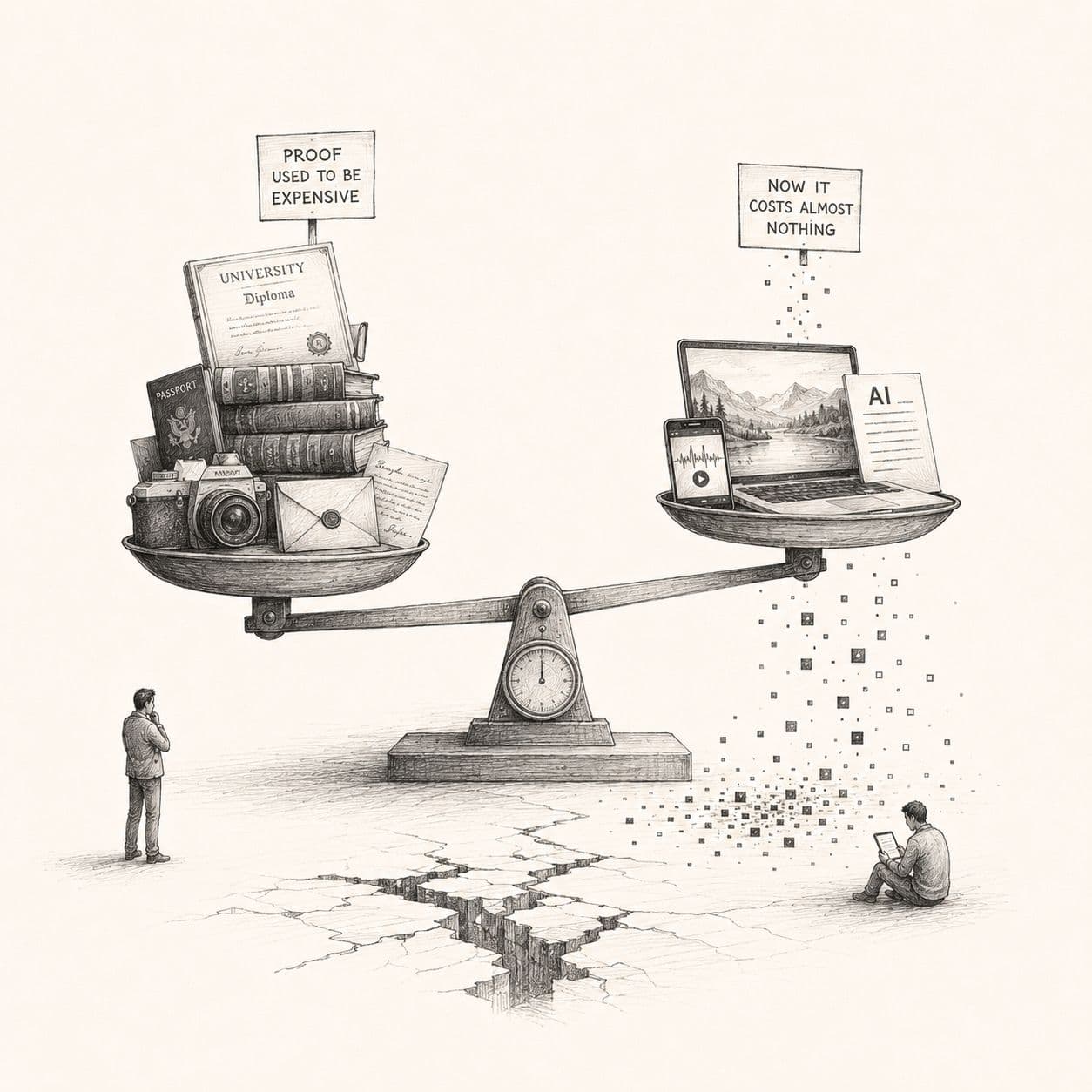
    Proof Used to Be Expensive

    Almost everything you believe, you believe because faking it would have been too much work. That foundation just expired. A first principles look, written with Jesús Carlos Acosta Rocha, at why detectors cannot fix it, why feeds stop being worth checking, why the screen is disappearing into sensors, what keeps its value, and what would prove us wrong.

    • artificial-intelligence
    • trust
    • provenance
  • Engineering · Aug 14, 2026

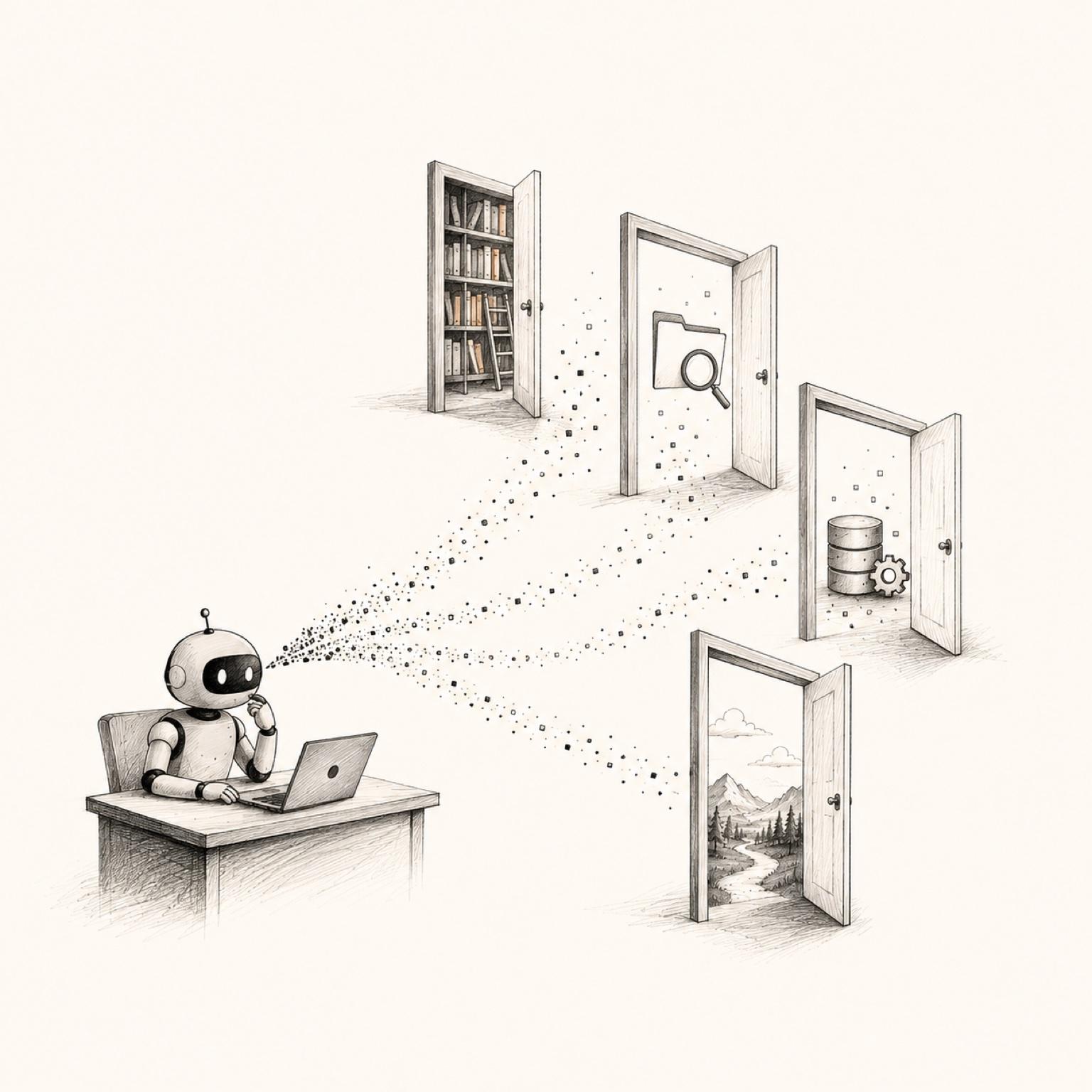
    Memory Lives Beyond the Context Window

    An agent's memory is everything it can reach, not just its context window. A preprint, Reading More, Finding Less, tests that idea with pre-registered experiments and finds the failure is routing: a hand-curated memory index sent the agent to the wrong files, plain file search beat it, and saved memories almost never got read again. The full corpus and harness ship with the paper for re-running.

    • agents
    • context-engineering
    • memory
  • Engineering · Aug 5, 2026

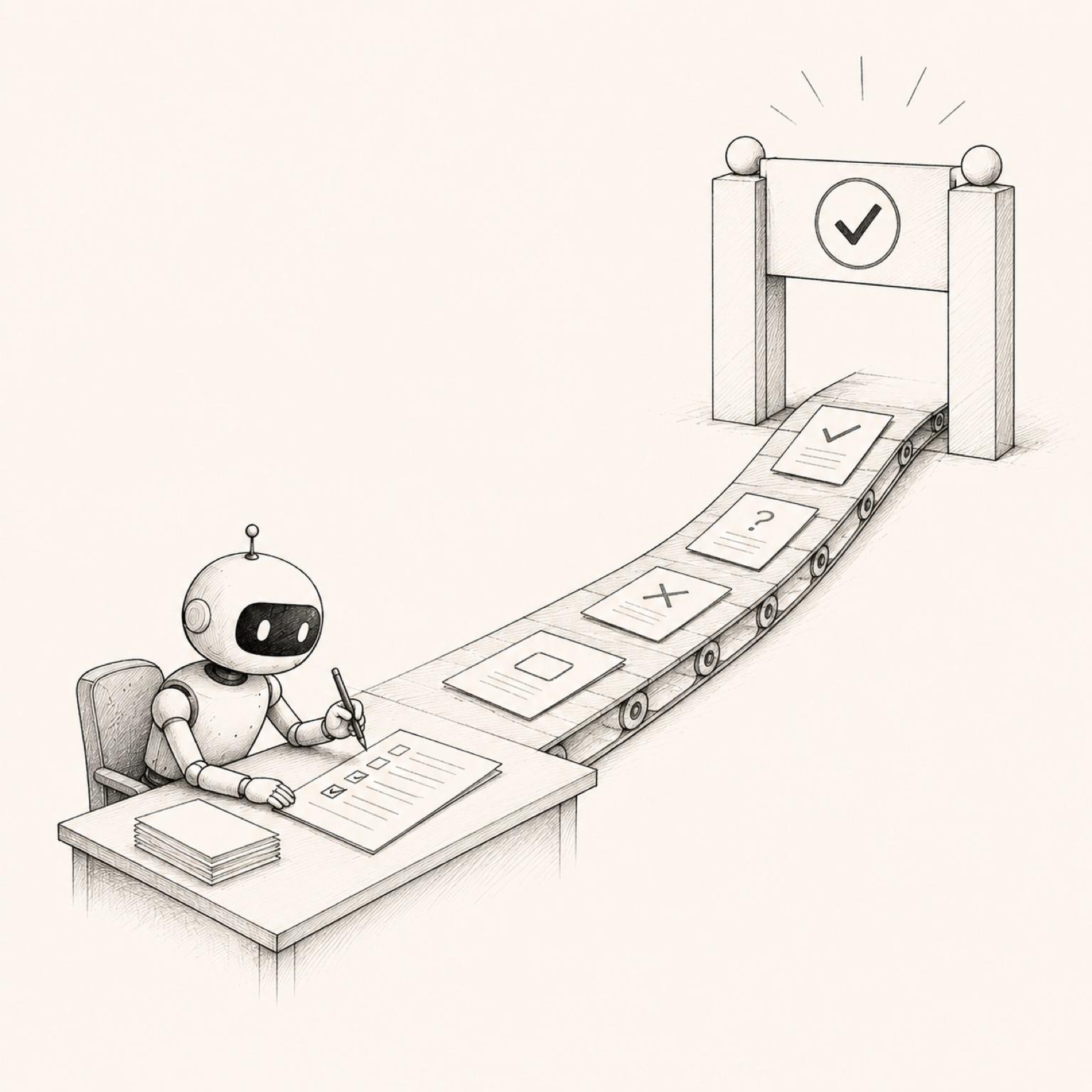
    Can You Trust an AI to Grade Your AI?

    Many teams use one AI model to grade another one's answers, and then let that grade decide what ships. Almost nobody checks whether the grader itself can be trusted. This is what it took, on a real production system, to make the grader reliable enough that a failing score is allowed to stop a release.

    • evals
    • harness
    • agents
  • Engineering · Aug 5, 2026

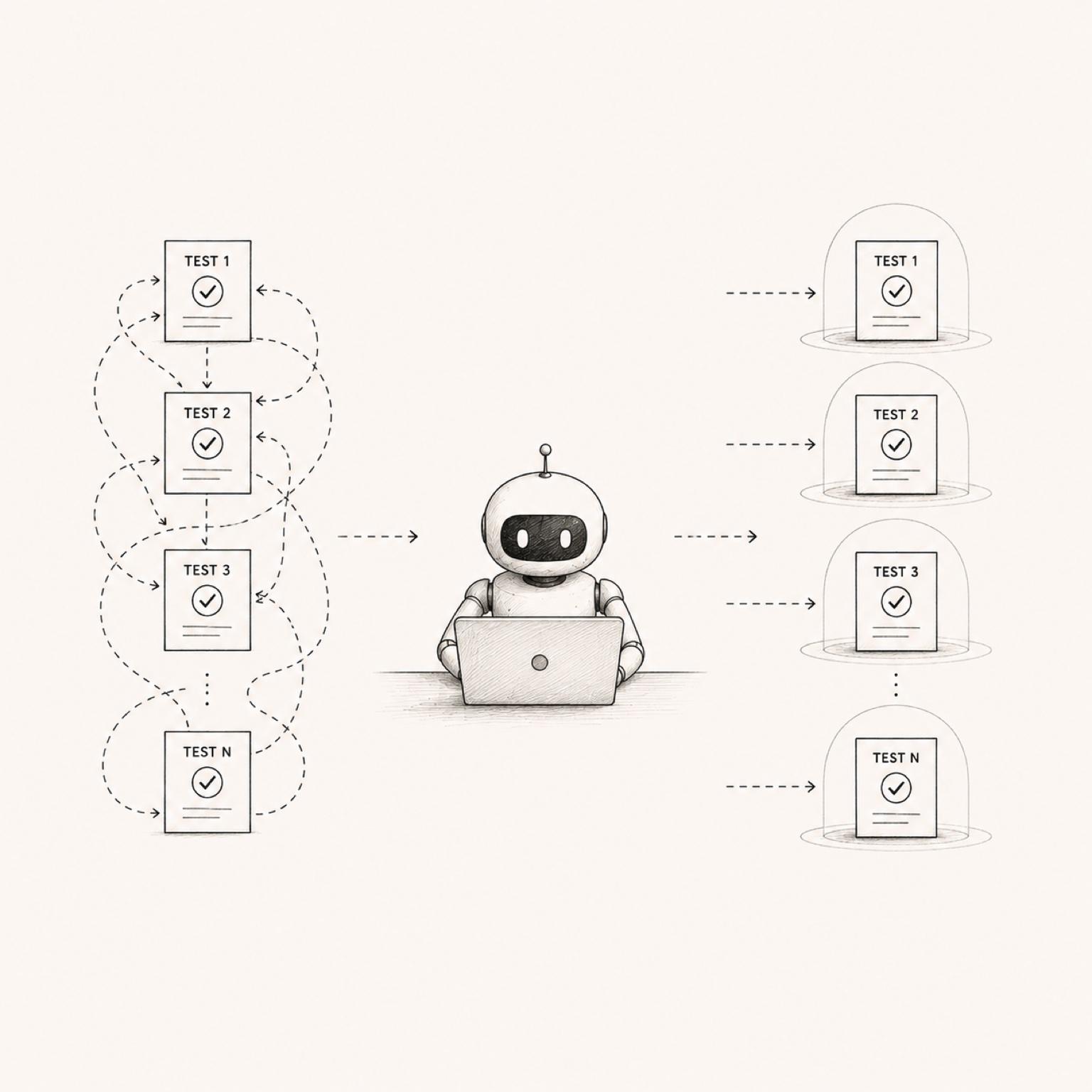
    Your AI Agent Passes Its Tests for the Wrong Reason

    AI agents are built to remember, and that breaks their tests. When test cases share one user, each case inherits leftover memory from the one before it, so the pass rate measures the order the tests ran in, not the agent. Giving every test its own clean user and its own sealed world fixed that, and let the whole suite run in parallel for free.

    • evals
    • testing
    • agents
  • AI · Jul 22, 2026

    The Compounding Workspace

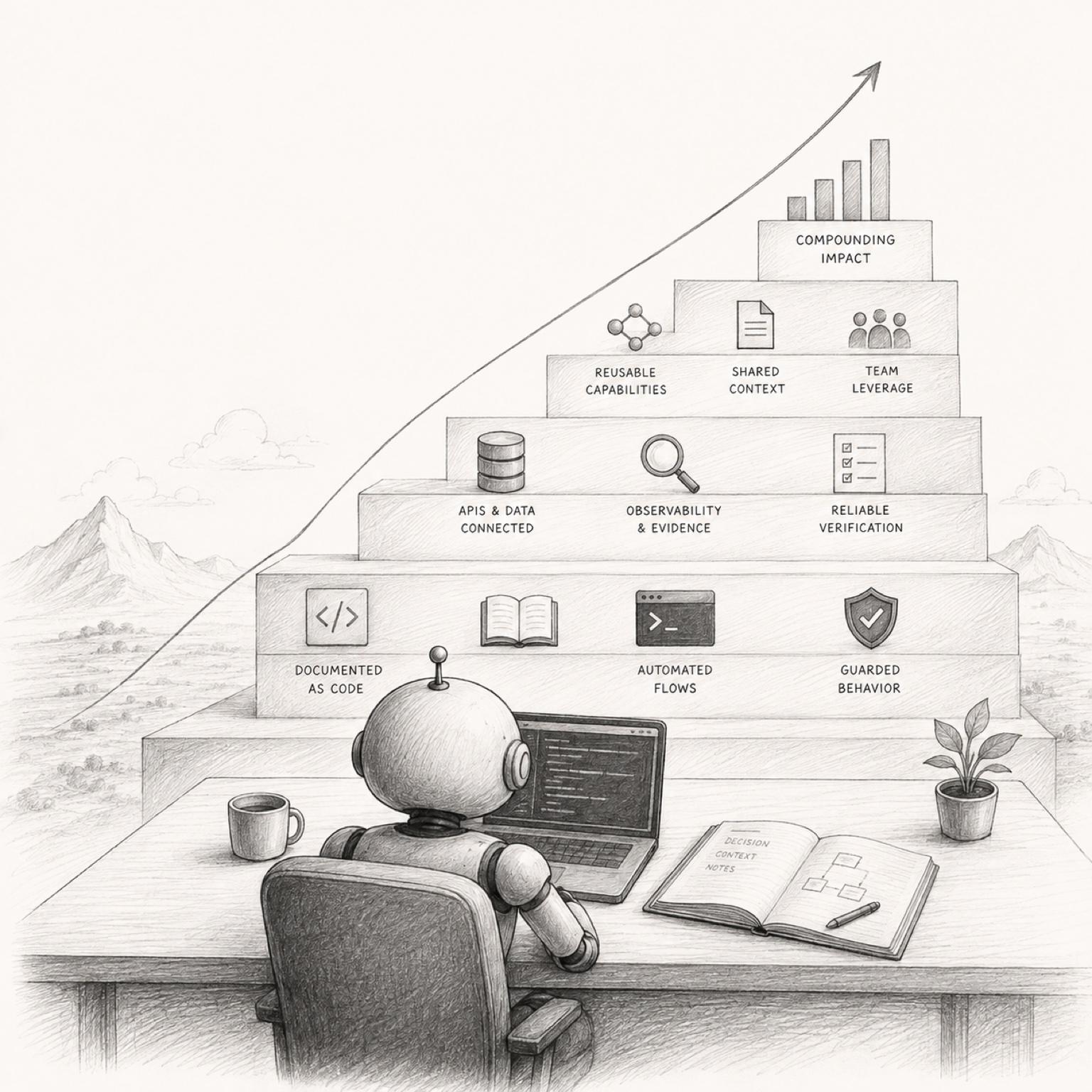
    First month inside a global org: docs as code, every API wired, and capabilities that visibly compound.

  • AI · Jul 22, 2026

    The Post-Agentic Position

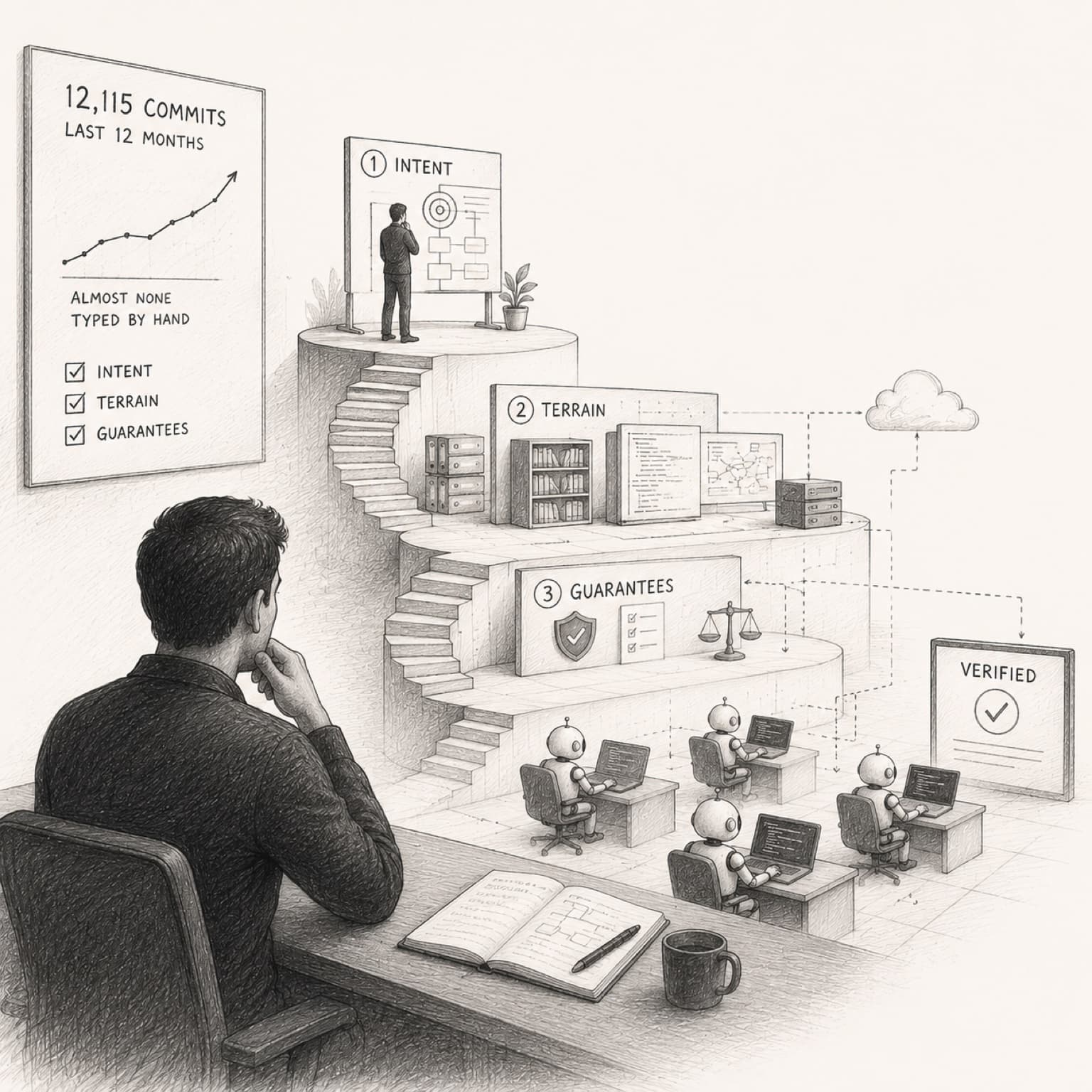
    Execution became abundant, and supervision dies with it. Three jobs remain: intent, terrain, and guarantees.